

The mining and mineral processing industry is increasingly adopting modular approaches to address the challenges of varying ore deposits, changing production demands, and cost pressures. Traditional fixed-layout plants often lack flexibility, making it difficult to expand capacity, integrate new technologies, or adjust to fluctuating feed characteristics. Modular mineral processing equipment provides a scalable and adaptable solution, enabling operators to optimize resource utilization, minimize downtime during expansions, and respond rapidly to market or regulatory changes. The demand for flexible plant configurations is particularly high in large-scale operations and regions with complex or variable ore bodies.
Modular mineral processing equipment focuses on adaptability, scalability, and standardized integration. Core concepts include independent processing modules that can be combined or rearranged to match production requirements, maintain operational continuity, and facilitate maintenance. Key technologies often integrated into modular systems include high-efficiency screens, dense medium separators, jigs, and centrifugal concentrators. These modules are designed to operate both individually and as part of a cohesive system, providing consistent separation performance and throughput across varying production scenarios. Automation and process monitoring enhance adaptability, enabling operators to adjust operational parameters without compromising recovery or product quality.
The structure of modular mineral processing equipment emphasizes robustness, precision, and ease of assembly. Frames and load-bearing components are typically fabricated from high-strength steel or advanced composite materials to withstand continuous operation and abrasive feed materials. Wear components, including liners, screens, and chutes, utilize abrasion-resistant alloys or composites to maintain functional geometry and separation performance over extended service intervals.
Precision manufacturing is critical to ensure modules are uniform and compatible for rapid deployment or integration. Consistent tolerances, controlled welding, and quality assembly guarantee predictable behavior across multiple modules, enabling operators to scale capacity or reconfigure plant layouts with minimal disruption. Design considerations also include vibration reduction, uniform material flow, and accessibility for maintenance, all of which contribute to reliable, high-performance operation.
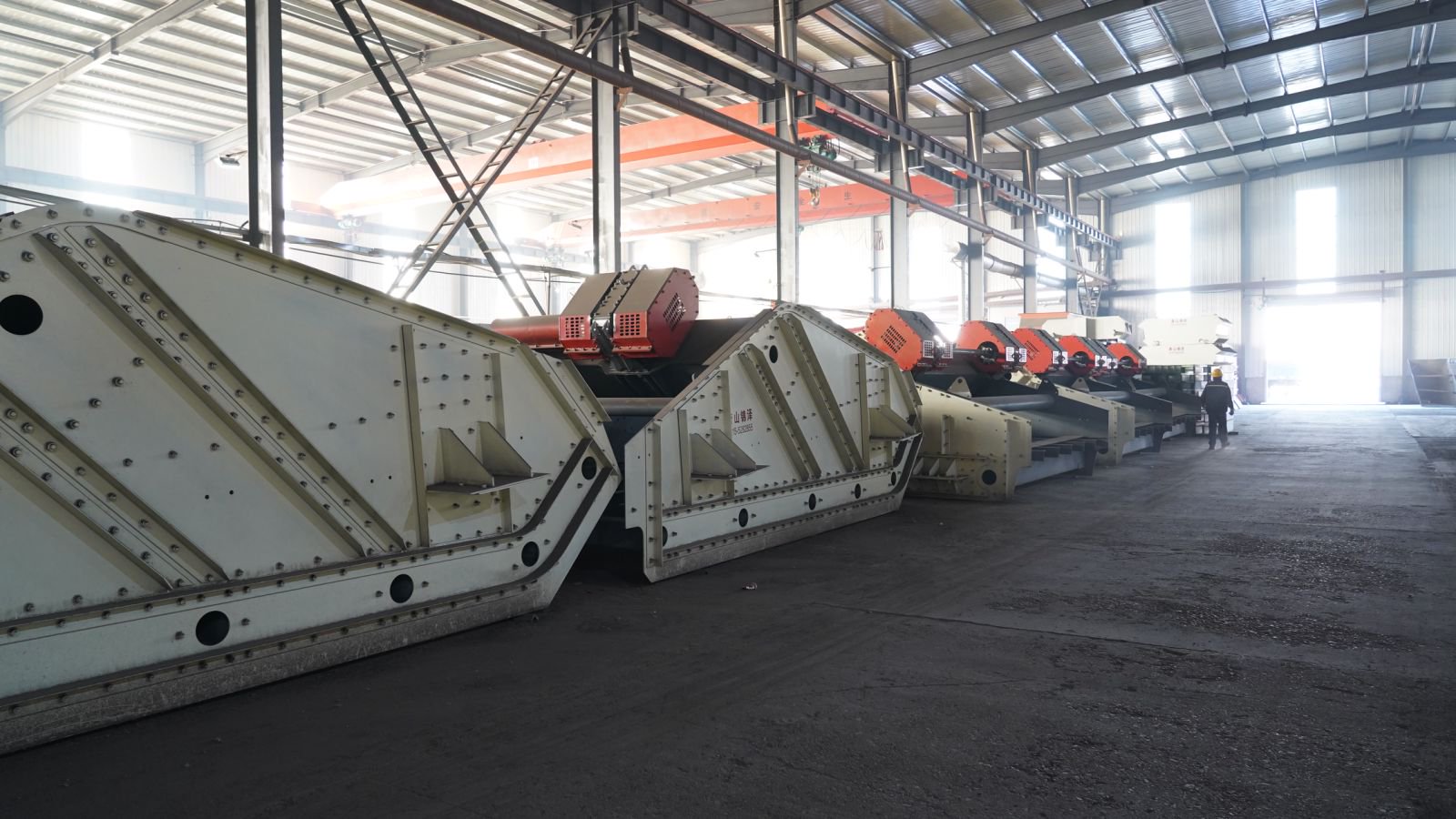
Performance of modular mineral processing equipment is influenced by several factors. Feed characteristics—such as particle size distribution, moisture content, and mineral density—can affect separation efficiency and throughput. Modular systems are often engineered to accommodate these variations, maintaining stable performance under fluctuating feed conditions.
Operational stability, including consistent feed rates, slurry density, and balanced loading across modules, is essential to sustain efficiency and product quality. Regular inspection, preventive maintenance, and timely replacement of wear components ensure uninterrupted operation. Energy consumption and water usage are also critical considerations; modular systems are designed to optimize resource utilization while minimizing operational costs.
Selecting reliable suppliers for modular mineral processing equipment requires evaluating both engineering expertise and manufacturing quality. Suppliers should demonstrate experience delivering scalable systems with consistent performance across multiple modules. Key criteria include material traceability, adherence to quality control protocols, and documented operational performance under real-world conditions.
Support services, such as installation guidance, commissioning, and training, are essential to achieve optimal performance. A robust supply chain ensures timely delivery of modules and spare parts, minimizing downtime and allowing rapid expansion or reconfiguration of plant layouts as production demands evolve.
Operators of modular mineral processing plants often face challenges such as feed variability, wear-related performance degradation, and integration of new modules into existing operations. Legacy equipment may be incompatible with modular configurations, requiring careful planning for retrofits.
Maintenance management is another concern. While modular designs simplify component replacement, coordinating inspection and servicing across multiple modules requires clear scheduling and trained personnel. Operational bottlenecks can occur if modules are not properly balanced or if control systems are not optimized for variable throughput.
Modular mineral processing equipment is widely applied in base metal, precious metal, and industrial mineral operations. In copper, iron, and gold plants, modular systems allow operators to scale capacity or add specialized separation units without halting production. Industrial mineral operations, such as feldspar, kaolin, or quartz processing, benefit from modular designs that facilitate quick layout changes to accommodate variable feed characteristics or product specifications.
Export facilities also leverage modular configurations to manage multiple product streams, enabling consistent quality while reducing off-spec material. Temporary or remote mining sites use modular units for rapid deployment, ensuring processing capabilities without the need for permanent infrastructure.
Industry trends indicate increasing adoption of digital monitoring, automation, and predictive maintenance in modular mineral processing equipment. Real-time data collection allows operators to adjust modules dynamically, maintaining optimal separation performance and throughput under changing conditions.
Future developments are likely to focus on greater standardization of modules, improved energy efficiency, and integration of intelligent control systems. Advances in wear-resistant materials and modular assembly techniques will enable longer service life, easier maintenance, and more flexible plant configurations. The combination of mechanical precision, adaptability, and data-driven process control will continue to define the next generation of modular mineral processing systems.
What defines modular mineral processing equipment?
It refers to equipment designed as independent, scalable modules that can be combined, rearranged, or expanded to meet variable production requirements without disrupting existing operations.
Can existing plants adopt modular configurations?
Yes, modular units can be integrated into existing layouts or deployed alongside legacy equipment to enhance capacity and flexibility.
Does modular design affect maintenance requirements?
Modular systems are designed for accessibility and predictability, simplifying maintenance while allowing operators to replace or service components without interrupting overall plant operation.
Tel : +86-315-5282855
E-mail : jinzexuanmeijixie@gmail.com
Address : 1.6 km south of Xinjichang Road,
Tangshan City, Hebei Province, China

Copyright © 2017.Company name All rights reserved.More Templates


Энэ вэб сайт нь таныг манай вэбсайтаас хамгийн сайн туршлагыг олж авахын тулд күүки ашигладаг.

 English
 Español
 Pусский
 Tiếng Việt



 Whatsapp
 Утас
Утас
Сэтгэгдэл
(0)