

The coal industry continues to evolve in response to rising energy demands, environmental regulations, and operational efficiency requirements. Traditional wet coal preparation methods, though effective in separating coal from impurities, are highly water-intensive, generate significant slurry waste, and often increase operational costs. The New JZFX Dry Coal Preparation Machine addresses these challenges by providing a water-free, energy-efficient solution that enhances coal recovery, reduces environmental impact, and improves overall process efficiency. This article provides a detailed overview of the benefits, features, and technical aspects of the JZFX machine, highlighting its relevance to modern coal processing operations.
Coal remains a key energy source globally, particularly in power generation and heavy industry. However, operators face increasing pressure to reduce water usage, lower energy consumption, and comply with stricter environmental regulations. Wet coal preparation plants, while widely used, often struggle with water scarcity, slurry disposal challenges, and high maintenance costs.
As a result, there is a growing demand for dry coal preparation technologies that can maintain high separation efficiency while minimizing water use. The JZFX Dry Coal Preparation Machine responds to this need, enabling operators to achieve higher-quality coal output with reduced environmental and operational burdens. Large-scale coal mines and processing plants, particularly in regions with water constraints, increasingly view dry preparation systems as a strategic investment for sustainable operations.
The JZFX machine operates on dry separation principles, leveraging differences in particle density and size to effectively separate coal from gangue and other impurities. Unlike wet methods that rely on water for stratification, the dry system uses mechanical vibration and airflow to achieve separation.
Key technological features include:
Vibration-Assisted Stratification: The machine employs precise vibratory mechanisms to encourage density-based separation, ensuring that coal particles settle distinctly from waste materials.
Adjustable Airflow Control: Air streams are used to remove lighter impurities, allowing precise control over the separation process for various coal sizes and types.
High-Capacity Design: Engineered for large-scale operations, the JZFX machine can process significant coal volumes without compromising separation efficiency.
Energy Optimization: Low-power motors and energy recovery systems reduce electricity consumption, lowering operational costs while maintaining high throughput.
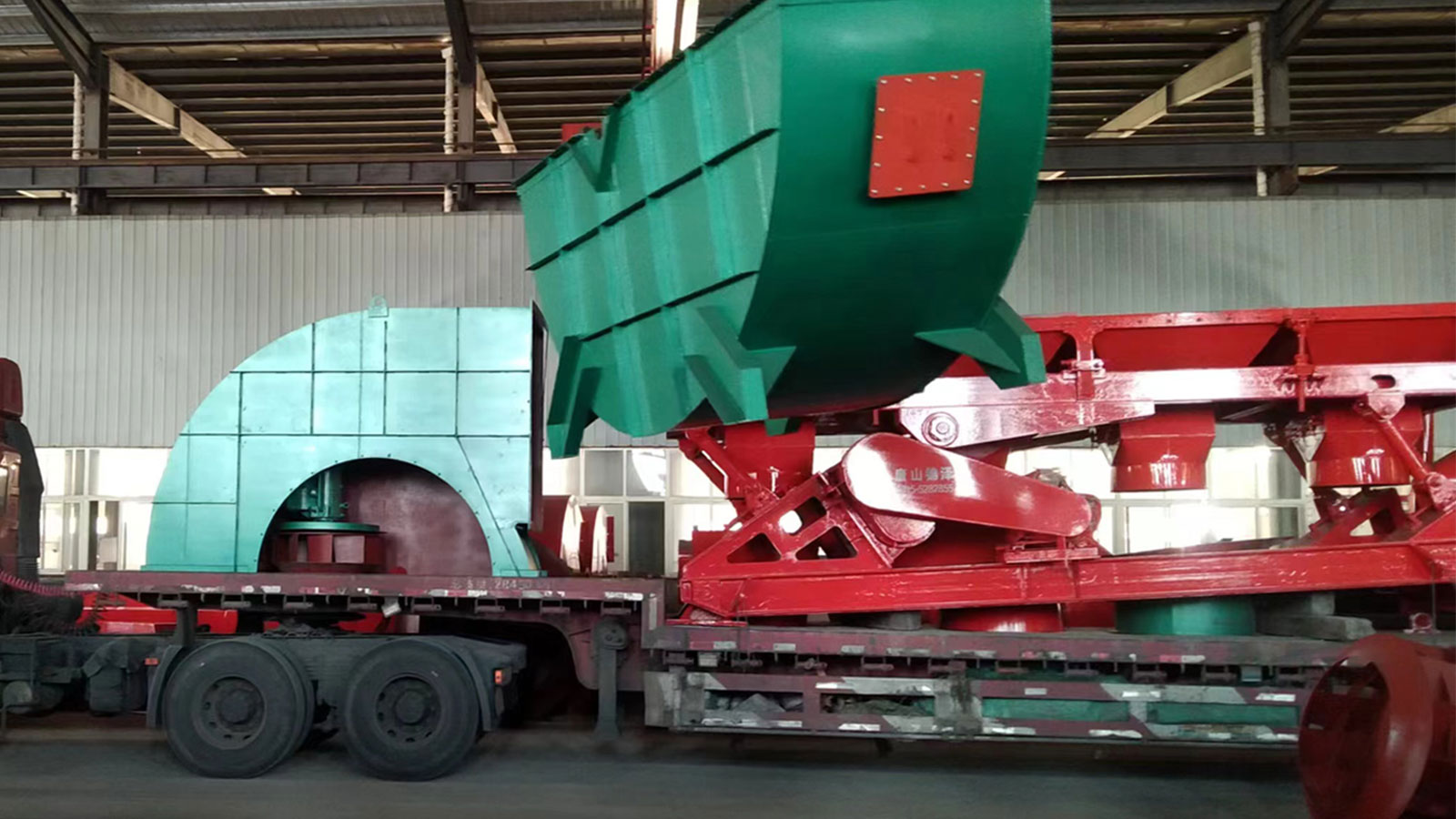
The JZFX Dry Coal Preparation Machine is built with durable materials suitable for abrasive and heavy-duty coal processing environments.
Separation Deck: Typically constructed from high-strength, wear-resistant steel, the deck ensures longevity while handling large coal volumes.
Vibration Frame and Mechanism: High-precision vibratory systems drive the stratification process. The components are designed to endure continuous operation with minimal maintenance.
Airflow Channels and Dust Control: Integrated airflow systems efficiently separate light gangue, while dust collection units maintain a safe working environment.
Control Systems: Operators can adjust vibration intensity, air pressure, and feed rates to optimize separation efficiency for different coal types.
Manufacturing processes emphasize precision and durability, including CNC-machined components and heat-treated steel parts to reduce wear. Each machine is tested under operational loads to ensure reliability and consistent performance before delivery.
Several variables influence the efficiency and quality of coal separation in the JZFX machine:
Coal Particle Size Distribution: Uniform feed sizes optimize stratification, while extremely fine or oversized particles may require adjustment of vibration and airflow settings.
Moisture Content: Although designed for dry operation, varying coal moisture levels can affect density-based separation, potentially requiring process adjustments.
Vibration Frequency and Amplitude: Proper tuning of the vibration mechanism ensures effective separation; incorrect settings can reduce recovery rates.
Feed Rate: Overloading the system can compromise separation efficiency, while underfeeding may reduce operational efficiency.
When selecting a JZFX machine supplier, coal operators should consider:
Equipment Quality and Reliability: Suppliers should provide wear-resistant, durable machines capable of high-volume operation.
After-Sales Support: Availability of spare parts, maintenance services, and technical assistance is crucial for long-term performance.
Customization: Vendors able to adapt machine specifications to site-specific coal types and processing requirements can deliver better operational results.
Track Record: Established suppliers with verified performance records in similar applications reduce operational risk.
Despite its advantages, operators must be aware of certain challenges when implementing dry coal preparation:
Initial Investment: Dry coal machines can require higher upfront capital compared to conventional wet systems, though energy and water savings offset costs over time.
Maintenance Needs: Continuous vibration and exposure to abrasive materials require periodic inspection and maintenance of key components.
Adaptation for Different Coal Types: Some coal varieties may require system adjustments for optimal separation efficiency.
The JZFX Dry Coal Preparation Machine is applicable in multiple scenarios:
Large-Scale Coal Mining Operations: Efficiently handles high throughput while maintaining coal quality.
Regions with Limited Water Resources: Provides a water-free alternative to traditional wet preparation, reducing environmental and regulatory pressures.
Coal Cleaning and Sorting Plants: Enhances separation efficiency and reduces impurities in final coal products.
As the coal industry emphasizes sustainability and cost-efficiency, the adoption of dry preparation technologies is expected to grow. Future developments may include:
Integration with Automation and IoT: Real-time monitoring and adaptive control can further enhance separation efficiency and predictive maintenance.
Improved Energy Recovery Systems: Advances in motor and airflow technologies may reduce energy usage while increasing throughput.
Environmental Compliance Enhancements: Continued focus on dust and waste reduction aligns with global sustainability goals.
How does the JZFX Dry Coal Preparation Machine differ from wet systems?
The JZFX machine separates coal without using water, reducing environmental impact and lowering operational costs.
Can it handle all types of coal?
The machine is versatile and can be adjusted for various coal types and particle sizes to ensure efficient separation.
What are the main operational benefits?
It improves coal recovery, reduces energy and water consumption, minimizes waste, and supports sustainable mining practices.
The New JZFX Dry Coal Preparation Machine offers coal operators an advanced solution to meet modern operational, environmental, and economic requirements. By combining dry separation technology, energy-efficient design, and high-capacity performance, it ensures cleaner, higher-quality coal production while reducing costs and environmental impact. Its adoption reflects a broader trend in the coal industry toward sustainable and efficient mining practices, positioning the JZFX machine as a key asset in future-ready coal processing operations.
Tel : +86-315-5282855
E-mail : jinzexuanmeijixie@gmail.com
Address : 1.6 km south of Xinjichang Road,
Tangshan City, Hebei Province, China

Copyright © 2017.Company name All rights reserved.More Templates


Энэ вэб сайт нь таныг манай вэбсайтаас хамгийн сайн туршлагыг олж авахын тулд күүки ашигладаг.

 English
 Español
 Pусский
 Tiếng Việt



 Whatsapp
 Утас
Утас
Сэтгэгдэл
(0)