

In mining and mineral processing industries, the removal of iron impurities is critical to maintaining product quality and protecting downstream equipment. As ore grades decline and feed materials become more heterogeneous, the demand for reliable and efficient magnetic separation solutions has grown. Industrial minerals, coal, and iron ore operations require equipment that ensures consistent separation efficiency, reduces contamination, and minimizes maintenance costs.
High-performance Magnetic Separators play a key role in addressing these challenges. Efficient iron removal not only improves the purity of the final product but also extends the lifespan of grinding and processing machinery by preventing abrasive damage caused by ferrous particles.
The CT Type Magnetic Separator operates on the principle of high-intensity magnetic attraction. Ferrous particles within the feed are drawn to the magnetic drum or roller as the material passes through, while non-magnetic particles continue along the processing line. Adjustable magnetic field strength and controlled feed rates allow operators to optimize separation efficiency for different material types and particle sizes.
The system features advanced magnetic circuit design with uniform field distribution. This ensures that all ferrous particles within the material stream experience consistent magnetic force, reducing the likelihood of bypass or incomplete separation. The CT Type Magnetic Separator also incorporates variable pole configurations, enhancing its adaptability to varying feed compositions and operational conditions.
Structurally, the CT Type Magnetic Separator consists of a durable frame, magnetic drum or roller assemblies, drive mechanisms, feed and discharge systems, and protective enclosures. The magnetic drum is manufactured from wear-resistant alloy steel or high-strength cast materials, combined with precision heat treatment to achieve an optimal balance of surface hardness and internal toughness.
Performance considerations include feed capacity, separation efficiency, and continuous operation capability. The equipment is designed for easy maintenance, with modular components and adjustable roller gaps allowing precise control over product purity. The robust design ensures long-term reliability even under high-volume and abrasive material conditions.
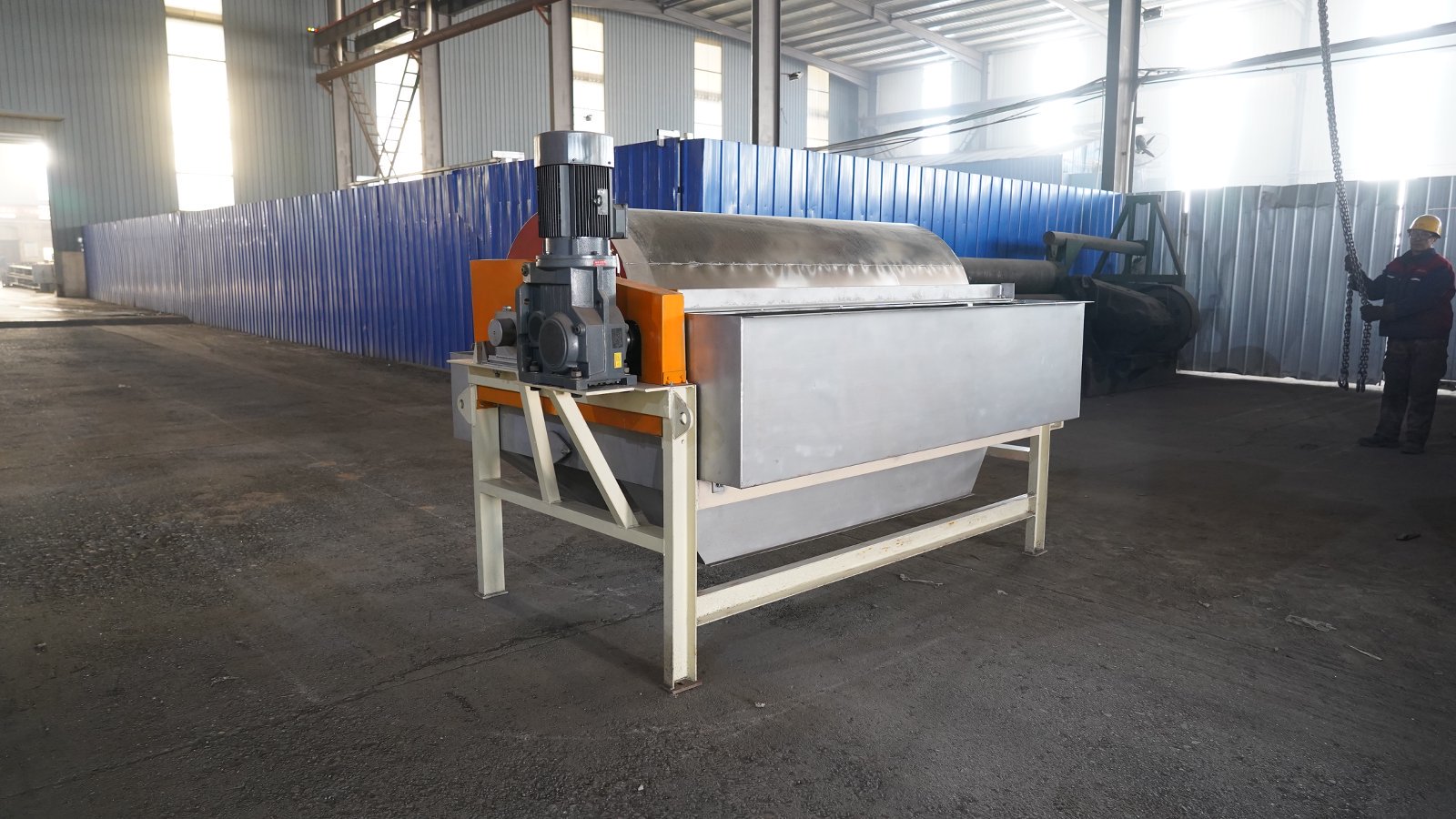
Several technical factors influence the performance of the CT Type Magnetic Separator. Material properties such as particle size distribution, moisture content, and magnetic susceptibility directly affect separation efficiency. Uneven feed or excessive moisture can reduce iron capture rates, requiring careful process control.
Mechanical factors also play a significant role. Roller alignment, drum surface integrity, and magnetic circuit stability are critical for consistent performance. Drive system reliability and accurate speed control contribute to stable operation, while wear-resistant materials ensure prolonged component life.
Selecting a qualified supplier is essential to ensure long-term operational reliability. A reputable supplier should demonstrate strong manufacturing capabilities, strict quality control, and experience in designing separators for specific industrial applications. Access to replacement parts, technical documentation, and support services reduces downtime and operational risk.
For large-scale operations, supply chain stability is critical. Consistent sourcing of high-quality magnetic components, drum materials, and bearings ensures that equipment maintains performance standards throughout its service life. Supplier expertise in material science and engineering is a key differentiator in achieving optimal separation efficiency.
Operators often encounter challenges such as uneven magnetic wear, reduced efficiency under fluctuating feed conditions, and material clogging. These issues typically arise from improper installation, inconsistent feed distribution, or failure to maintain the magnetic drum surfaces.
Maintenance accessibility is another concern. Separators designed without sufficient access points for inspection or component replacement can increase downtime and labor costs. Addressing these operational pain points in the design and procurement stages improves productivity and reduces lifecycle costs.
The CT Type Magnetic Separator is widely used in coal preparation, iron ore beneficiation, and industrial mineral processing. Typical applications include:
Removing ferrous contaminants from coal and mineral feeds prior to grinding or chemical processing
Purifying industrial minerals to achieve consistent quality for downstream applications
Protecting equipment in milling, crushing, or conveyor systems from abrasive iron particles
In coal handling operations, the separator maintains stable iron removal efficiency despite variable feed characteristics. In iron ore and industrial mineral processing, consistent magnetic separation contributes to higher product purity and reduced processing costs.
Current trends in magnetic separation technology focus on improving energy efficiency, enhancing material-specific adaptability, and integrating monitoring systems. Advances in magnetic materials, drum design, and precise field control have increased separation efficiency while reducing operational costs.
Future development is expected to emphasize digital integration, including sensors for magnetic field monitoring, particle flow analysis, and predictive maintenance. Automated adjustment of the magnetic field and feed rate will enable more stable operation and reduced human intervention, aligning with the broader shift toward smart mining and automated processing systems.
What materials are suitable for the CT Type Magnetic Separator?
Brittle and semi-hard minerals, coal, and iron ore, where ferrous contamination needs to be removed for product quality or equipment protection.
How does feed size impact separation efficiency?
Uniform particle size distribution and controlled feed rate optimize magnetic capture and ensure consistent iron removal.
What maintenance practices are essential for long-term performance?
Regular inspection of drum surfaces, rollers, bearings, and alignment, along with timely replacement of worn components, maintains separation efficiency and extends service life.
Why is supplier selection important?
A supplier with proven manufacturing quality, material expertise, and technical support ensures reliable performance, reduces downtime, and supports long-term operational goals.
By integrating high-intensity magnetic separation principles with durable mechanical design and precise manufacturing, the CT Type Magnetic Separator for Iron Removal and Material Purification provides reliable, efficient, and consistent performance for a variety of mineral processing applications.
Tel : +86-315-5282855
E-mail : jinzexuanmeijixie@gmail.com
Address : 1.6 km south of Xinjichang Road,
Tangshan City, Hebei Province, China

Copyright © 2017.Company name All rights reserved.More Templates


Энэ вэб сайт нь таныг манай вэбсайтаас хамгийн сайн туршлагыг олж авахын тулд күүки ашигладаг.

 English
 Español
 Pусский
 Tiếng Việt



 Whatsapp
 Утас
Утас