

Mineral processing has become an essential part of the mining industry, where the efficient separation of valuable minerals from waste materials is crucial for improving resource recovery and minimizing environmental impact. With rising concerns about water usage and the demand for eco-friendly mining technologies, dry jigging has emerged as a game-changing technique. Among the leading solutions in this area is the KQT-C Dry Jigging Mineral Processing Equipment, designed for highly efficient separation processes in the mining sector.
The global mineral processing market has witnessed substantial growth in recent years, driven by the increasing demand for high-quality raw materials in industries like electronics, construction, and energy. As mineral extraction becomes more complex, the need for advanced equipment that can improve efficiency, reduce costs, and minimize environmental impact has never been more urgent. Traditional wet-based mineral separation techniques often require vast amounts of water, which raises operational costs and environmental concerns. This has created a significant demand for dry separation technologies, such as the KQT-C Dry Jigging system.
With environmental regulations tightening and a growing focus on sustainability, mining companies are looking for ways to optimize their processes while reducing their carbon footprint. The KQT-C Dry Jigging Mineral Processing Equipment offers an effective solution to this challenge by providing a water-free separation process that maximizes the efficiency of mineral recovery.
The KQT-C Dry Jigging system utilizes dry jigging technology, a method that separates minerals based on differences in density using air pulses, instead of water. This technique relies on the precise control of air pressure and vibration, which causes denser particles to sink while lighter particles rise. The result is a highly effective separation process that can sort minerals with a high degree of precision.
Dry jigging is particularly advantageous for separating minerals in cases where wet methods are not feasible, such as for materials sensitive to water or those found in arid regions. Additionally, it offers a much more sustainable alternative, reducing the consumption of water and chemicals often associated with traditional processing methods.
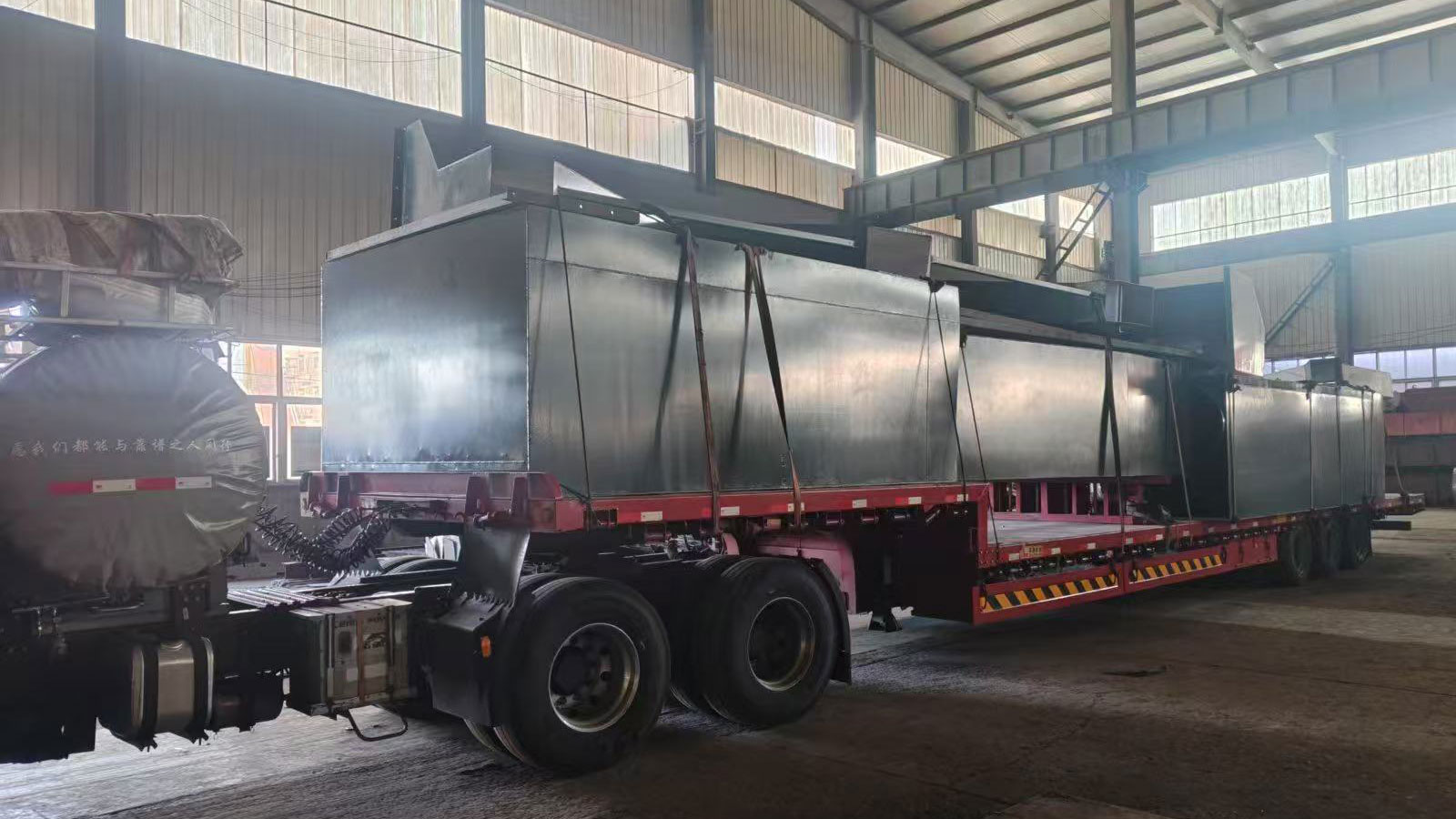
The KQT-C Dry Jigging Mineral Processing Equipment is designed with advanced features to ensure robust performance and ease of integration into existing operations. The system typically consists of a vibrating bed, air pulse generation equipment, and a separation chamber. The vibrating bed is where the mineral material is introduced, and the air pulses are applied to facilitate the sorting process. The equipment's precise controls allow operators to adjust the air pressure and vibration frequency based on the characteristics of the material being processed.
The materials used in the construction of the KQT-C Dry Jigging system are selected for their durability and resistance to wear, ensuring long-term reliability even under demanding operational conditions. The system is engineered with high-quality components that guarantee high performance and minimal downtime, crucial for maintaining continuous operations in the mining industry.
The manufacturing process of the KQT-C Dry Jigging Equipment adheres to strict quality standards, incorporating advanced engineering and precision fabrication techniques. This ensures that each unit meets the high-performance criteria required in the mineral processing industry.
Several factors influence the quality and performance of dry jigging equipment, and understanding these is key to optimizing the separation process. The primary factors include:
Airflow Control: The efficiency of the dry jigging process depends heavily on precise airflow regulation. Variations in air pressure can significantly impact the separation efficiency, making it crucial to maintain optimal airflow throughout the operation.
Vibration Frequency: The vibrating bed plays a critical role in the separation process, and the frequency of vibration must be carefully adjusted to match the material being processed. Incorrect vibration settings can lead to poor separation and reduced recovery rates.
Material Characteristics: The density, shape, and size of the particles being processed can all influence the performance of the dry jigging system. The equipment must be adaptable to handle a wide range of material types to ensure versatility in its applications.
Maintenance and Calibration: Regular maintenance and calibration are essential for maintaining the high performance of the KQT-C Dry Jigging system. Proper upkeep ensures that the system operates at peak efficiency, reducing the risk of downtime and increasing the overall lifespan of the equipment.
When selecting a supplier for dry jigging equipment, several key considerations must be taken into account:
Reputation and Reliability: The chosen supplier should have a proven track record in delivering high-quality equipment with consistent performance. Customer reviews, industry certifications, and case studies can provide valuable insights into the reliability of the supplier.
Customization Options: Since mineral processing requirements can vary widely, it's important to select a supplier that can offer customizable solutions tailored to specific processing needs.
After-Sales Support: Ongoing support, including training, technical assistance, and spare parts availability, is crucial for minimizing downtime and ensuring long-term success.
Cost-Effectiveness: While upfront costs are an important consideration, the total cost of ownership, including maintenance and operational costs, should also be factored in. An effective cost-benefit analysis can help mining companies make informed decisions.
Despite its advantages, dry jigging technology does not come without its challenges. Some of the common issues faced by mining operations when using dry jigging equipment include:
Inconsistent Separation: Variations in material characteristics can make it difficult to achieve consistent separation. Operators must carefully monitor and adjust the system parameters to account for these fluctuations.
Wear and Tear: The equipment's vibrating components are subject to significant stress, and wear and tear can affect performance over time. Regular maintenance and replacement of key components are necessary to prevent equipment failure.
Energy Consumption: While dry jigging is generally more energy-efficient than traditional wet methods, the equipment's energy consumption can still be a concern in large-scale operations. Energy-efficient models and operational optimization can help mitigate this issue.
The KQT-C Dry Jigging Mineral Processing Equipment is widely used in the mining industry, particularly for the separation of valuable minerals such as coal, iron ore, and rare earth elements. Its applications extend to a variety of mineral processing scenarios, including:
Coal Mining: The dry jigging system is highly effective in separating coal from waste materials, improving the quality of the final product.
Iron Ore Processing: The system can be used to efficiently separate iron ore from impurities, increasing the yield of high-quality iron.
Rare Earth Element Recovery: Dry jigging is increasingly used in the recovery of rare earth elements, where traditional wet processing methods may not be suitable.
The future of dry jigging technology is shaped by increasing demands for sustainability, efficiency, and automation. As mining companies continue to prioritize environmental responsibility, dry jigging equipment will play an even more pivotal role in reducing water usage and minimizing chemical waste. Additionally, advancements in automation and machine learning are expected to improve the system's adaptability and optimize the separation process in real-time.
In conclusion, the KQT-C Dry Jigging Mineral Processing Equipment represents a crucial advancement in the field of mineral processing, offering efficient, sustainable solutions for mining companies worldwide. By understanding the technology's core principles, its performance factors, and industry challenges, operators can harness its full potential to achieve higher recovery rates and meet the growing demand for eco-friendly mineral extraction.
Q1: How does dry jigging compare to wet jigging?
Dry jigging offers significant advantages in terms of water conservation and environmental impact. Unlike wet jigging, which requires large amounts of water, dry jigging uses air pulses for separation, making it ideal for regions facing water scarcity.
Q2: What types of minerals can be processed using the KQT-C Dry Jigging Equipment?
The KQT-C system is versatile and can be used to process a wide range of minerals, including coal, iron ore, rare earth elements, and other valuable materials that require precise density-based separation.
Q3: Is the KQT-C Dry Jigging system customizable?
Yes, the KQT-C system can be customized to meet specific processing requirements. The equipment's parameters, such as airflow and vibration frequency, can be adjusted to optimize the separation process based on the material being processed.
 RELATED
Tel : +86-315-5282855
E-mail : jinzexuanmeijixie@gmail.com
Address : 1.6 km south of Xinjichang Road,
Tangshan City, Hebei Province, China

Copyright © 2017.Company name All rights reserved.More Templates


Энэ вэб сайт нь таныг манай вэбсайтаас хамгийн сайн туршлагыг олж авахын тулд күүки ашигладаг.

 English
 Español
 Pусский
 Tiếng Việt



 Whatsapp
 Утас
Утас