

In recent years, the mining industry has seen a surge in demand for more sustainable and efficient mineral processing technologies. With increasing environmental concerns and the need for higher-quality materials, innovations like dry jigging technology have become essential. One such advancement is the KQT-C Dry Jigging Technology for Precision Mineral Separation, a cutting-edge solution that provides high-precision separation without relying on water. This technology has revolutionized the way minerals are processed, offering both cost and environmental benefits. In this article, we explore the core principles behind KQT-C dry jigging technology, its benefits, applications, and the factors that influence its effectiveness.
The global mineral processing market has grown significantly, driven by the increasing need for raw materials across industries such as electronics, energy, and construction. However, traditional mineral separation methods often come with substantial environmental challenges. For example, water-based separation techniques, while effective, require significant water consumption and can create wastewater management issues, particularly in water-scarce regions.
As governments and industries continue to push for sustainable practices, the mining sector has been adopting new technologies that reduce water usage, minimize waste, and enhance efficiency. The demand for dry processing methods, such as KQT-C dry jigging technology, is therefore on the rise. This technology aligns with global environmental goals while addressing the need for higher-quality mineral extraction, making it an attractive option for many mining operations.
At its core, KQT-C Dry Jigging Technology utilizes a method of separating materials based on their density differences. Unlike traditional wet methods, which rely on water to create density-based stratification, dry jigging uses a combination of air pulses and vibration to achieve separation. The technology works by introducing material into a vibrating bed, where it is subjected to controlled air pulses. These air pulses cause particles of varying densities to move differently, with denser particles sinking to the bottom and lighter particles rising toward the top.
The key advantage of dry jigging is its ability to operate without water. This makes it particularly valuable for applications where water availability is limited or where minimizing water usage is a priority. The KQT-C system also excels in separating finer materials that traditional wet methods may struggle to handle effectively.
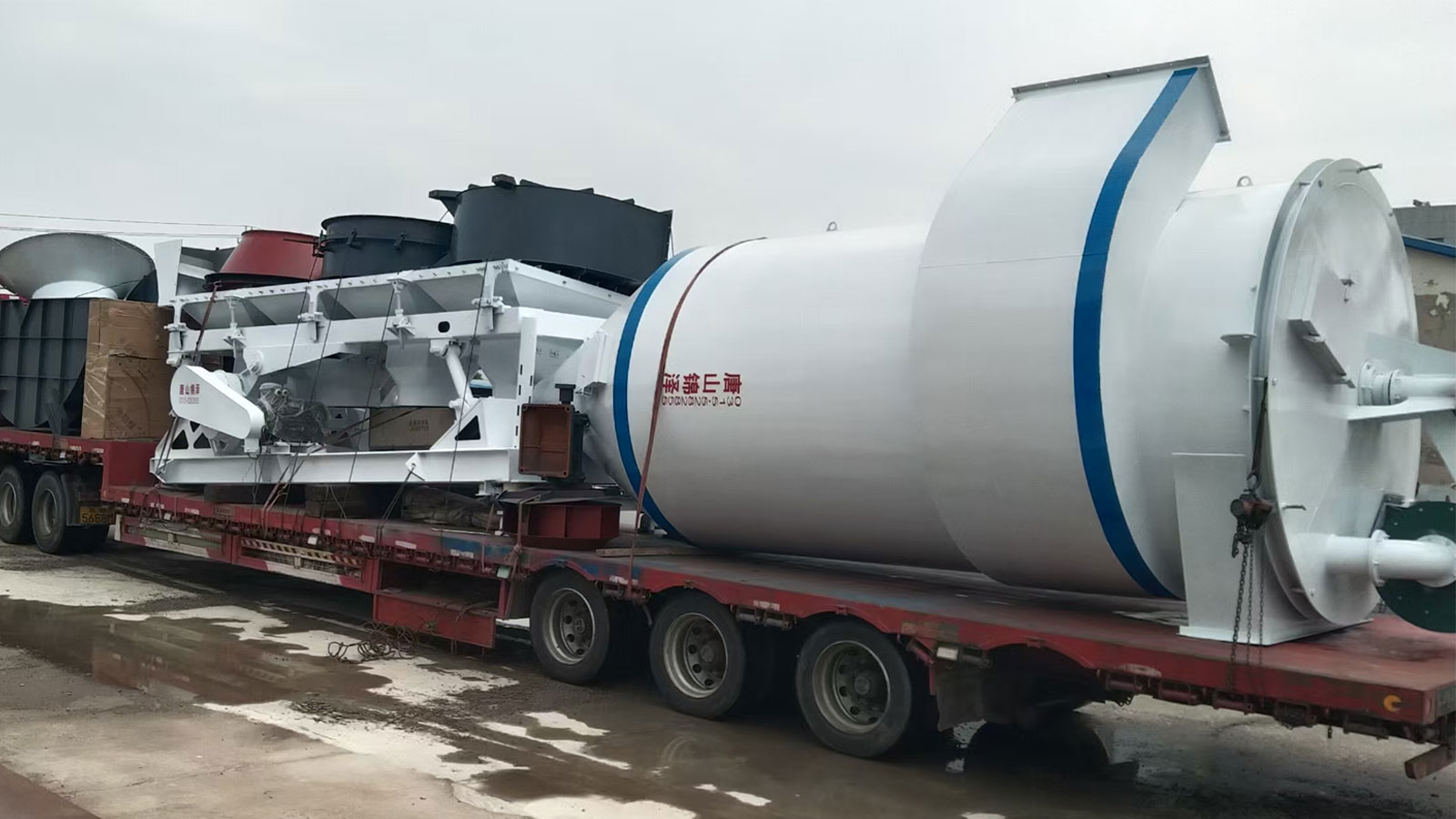
The KQT-C Dry Jigging System is composed of several key components that work together to optimize mineral separation:
Vibrating Bed: The vibrating bed is where the mineral material is introduced. The bed is equipped with vibratory mechanisms that ensure the material moves uniformly and that particles are subjected to the correct amount of movement to facilitate separation.
Air Pulse Generation System: This system is responsible for creating controlled bursts of air that interact with the mineral material. The air pulses are carefully calibrated to separate particles based on their density, allowing for precise mineral recovery.
Separation Chamber: The separation chamber is where the sorted material is collected. After passing through the vibrating bed and air pulse system, the denser materials settle at the bottom of the chamber, while the lighter materials are separated and moved to another part of the system for further processing.
The materials used in constructing the KQT-C dry jigging system are selected for their durability and resistance to wear, ensuring the system can withstand continuous use in demanding environments. The components are engineered with high-quality steel and other robust materials that guarantee long-term performance and minimal maintenance.
Manufacturing the KQT-C Dry Jigging Equipment requires precision engineering and attention to detail. The system undergoes rigorous testing and quality control processes to ensure that it meets industry standards and performs optimally across different mining applications. The design process includes simulations and prototype testing to fine-tune the equipment before mass production.
The effectiveness of KQT-C dry jigging technology is influenced by several factors that must be carefully managed to ensure optimal performance:
Airflow Regulation: The precision of airflow control is critical to the separation process. Variations in air pressure can impact the efficiency of material sorting, making it essential to maintain consistent airflow throughout the operation.
Vibration Frequency and Amplitude: The vibrating bed's frequency and amplitude play a crucial role in ensuring uniform particle movement. Adjusting these parameters based on the material being processed can improve separation efficiency and recovery rates.
Material Characteristics: The size, shape, and density of the particles being processed can affect the separation quality. For instance, fine particles may require different operational settings than coarser materials. The KQT-C system is highly adaptable, but operators must ensure the system is calibrated correctly to match the feed material.
System Calibration and Maintenance: Regular calibration and maintenance are necessary to keep the system running at peak performance. This involves adjusting system settings, inspecting parts for wear, and ensuring the equipment remains free from blockages or other mechanical issues that could affect performance.
When sourcing dry jigging equipment, mining companies should consider several factors to ensure they select the right vendor and equipment for their operations:
Reputation and Track Record: Vendors with a strong reputation in the mineral processing industry and a proven track record of delivering reliable, high-performance equipment are essential. Customer reviews, case studies, and certifications can provide valuable insights into a vendor's reliability.
Customization Options: The ability to tailor equipment to meet specific processing needs is crucial. The KQT-C system offers customization options that allow mining companies to adjust settings such as airflow, vibration frequency, and separation parameters, ensuring optimal performance for various mineral types.
Technical Support and After-Sales Service: Ongoing support is vital for minimizing downtime and ensuring that equipment continues to perform optimally. Suppliers offering comprehensive training, technical assistance, and spare parts availability can significantly improve the longevity and efficiency of the equipment.
Cost and Value: While initial cost is an important consideration, it is equally important to assess the total cost of ownership. This includes operational costs, maintenance, energy consumption, and the equipment's lifespan. A cost-effective solution should offer long-term value, reducing operational expenses while maximizing productivity.
The adoption of dry jigging technology does not come without challenges. Some of the common pain points faced by mining operations include:
Inconsistent Separation: Variations in material characteristics can lead to inconsistent separation results. This is particularly true for materials with similar densities, which may require fine-tuning of system settings to achieve the desired separation quality.
Wear and Tear: The vibrating components of the system are subjected to significant mechanical stress, leading to wear over time. Regular maintenance and timely replacement of parts are necessary to ensure the equipment remains functional and efficient.
Energy Consumption: Although dry jigging is generally more energy-efficient than wet methods, the equipment still requires substantial energy for vibration and airflow generation. Optimizing the operational settings and investing in energy-efficient models can help mitigate this issue.
The KQT-C Dry Jigging Technology is widely used across various mineral processing industries:
Coal Mining: The technology is effective in separating coal from waste material, improving the overall quality of the product.
Iron Ore Processing: KQT-C dry jigging is used to separate iron ore from impurities, increasing the yield of high-purity ore.
Rare Earth Element Extraction: Dry jigging is increasingly employed in the recovery of rare earth elements, where traditional wet processing methods may not be as effective.
The future of dry jigging technology is closely tied to the industry's broader trends toward sustainability and automation. As environmental regulations tighten and the demand for sustainable practices grows, dry jigging technology is expected to play an increasingly important role in reducing water usage and minimizing environmental impact. The integration of automated controls, sensor technologies, and machine learning will further optimize the performance of dry jigging systems, allowing for real-time adjustments and increased efficiency.
In conclusion, the KQT-C Dry Jigging Technology for Precision Mineral Separation offers a reliable, sustainable, and efficient solution for modern mining operations. By improving separation precision, reducing water usage, and increasing recovery rates, this technology aligns with industry demands for higher performance and eco-friendly practices.
Q1: How does KQT-C dry jigging technology compare to wet jigging?
Unlike wet jigging, which requires significant water usage, KQT-C dry jigging uses air pulses to separate materials based on density. This makes it a more sustainable option, especially in areas with limited water resources.
Q2: Can KQT-C dry jigging technology be used for all types of minerals?
The KQT-C system is versatile and can be used for a wide range of minerals, including coal, iron ore, and rare earth elements. The system is adjustable to accommodate different material characteristics, ensuring optimal separation.
Q3: Is the KQT-C dry jigging system energy-efficient?
While dry jigging is generally more energy-efficient than wet processing methods, energy consumption depends on factors such as operational settings and material characteristics. Optimizing system settings can help reduce energy usage.
Tel : +86-315-5282855
E-mail : jinzexuanmeijixie@gmail.com
Address : 1.6 km south of Xinjichang Road,
Tangshan City, Hebei Province, China

Copyright © 2017.Company name All rights reserved.More Templates


Энэ вэб сайт нь таныг манай вэбсайтаас хамгийн сайн туршлагыг олж авахын тулд күүки ашигладаг.

 English
 Español
 Pусский
 Tiếng Việt



 Whatsapp
 Утас
Утас