

Efficient Floating Separator Solutions for Modern Coal Processing
Coal preparation remains a critical step in ensuring stable energy supply and reliable raw materials for metallurgical applications. As coal quality requirements become more stringent and operational costs continue to rise, coal processing plants are under pressure to improve separation accuracy while maintaining high throughput. Floating separator solutions have emerged as a practical and efficient approach to address these challenges, offering precise density-based separation and consistent performance across a wide range of operating conditions.
Global coal markets increasingly prioritize quality consistency, lower ash content, and reduced environmental impact. Power generation facilities require cleaner coal to improve combustion efficiency and meet emission regulations, while steel producers depend on well-prepared metallurgical coal for predictable coking behavior. Traditional gravity separation methods often struggle with variable feed quality and fine particle recovery. As a result, demand has grown for efficient floating separator systems capable of delivering stable separation performance in modern coal processing plants.
Floating separators operate on the principle of density differentiation between coal and mineral impurities. By introducing coal particles into a controlled separation environment, materials with lower density remain afloat while heavier gangue materials sink. The separation efficiency depends on precise control of medium density, flow velocity, and residence time. Modern systems integrate optimized vessel geometry, advanced flow distribution, and real-time monitoring to maintain stable separation conditions. These technical improvements allow floating separators to handle higher capacities without sacrificing accuracy.
A typical floating separator system consists of a feed distribution unit, separation chamber, discharge mechanisms for clean coal and tailings, and auxiliary control components. Structural components are commonly fabricated from high-strength steel, while internal surfaces exposed to abrasion are protected with wear-resistant liners or composite materials. Manufacturing processes focus on dimensional accuracy, smooth internal flow paths, and robust welding techniques to ensure long-term structural integrity. Key performance indicators include separation efficiency, recovery rate, throughput capacity, and operational stability under fluctuating feed conditions.
Several operational and design factors directly affect floating separator performance. Feed particle size distribution plays a significant role, as excessive fines can reduce separation clarity. Medium density stability is equally important, since fluctuations can lead to misplaced material. Equipment wear, particularly in high-flow zones, may alter internal geometry and impact flow patterns. In addition, variations in coal composition and moisture content require flexible operating parameters to maintain consistent output quality.
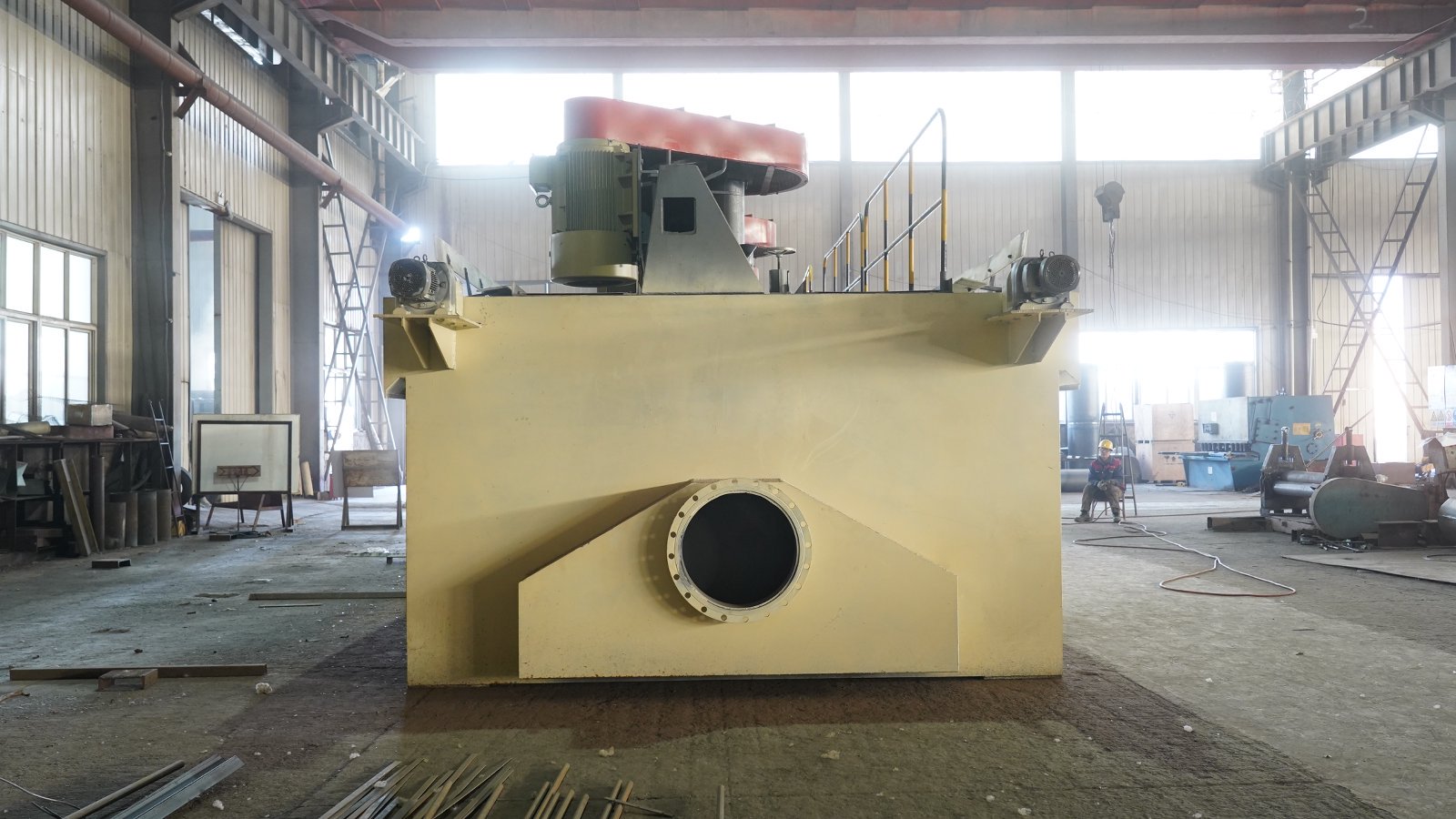
Selecting appropriate floating separator suppliers is essential for long-term operational reliability. Key evaluation criteria include proven experience in coal processing applications, adherence to recognized engineering standards, and the ability to provide customized solutions. Access to spare parts, technical documentation, and responsive service support also influences lifecycle costs. A reliable supply chain ensures stable equipment performance and minimizes unplanned downtime in continuous operations.
Coal processing plants frequently face challenges such as inconsistent separation results, high maintenance requirements, and excessive water or medium consumption. Managing wear in abrasive environments remains a persistent concern, as does maintaining stable operation when feed characteristics change. Floating separator systems designed with simplified maintenance access, optimized wear protection, and automated monitoring can help address these issues effectively.
Floating separator solutions are widely applied in thermal coal preparation plants, metallurgical coal facilities, and integrated coal processing complexes. In large-scale operations, these systems support continuous processing with minimal operator intervention. For example, a modern coal preparation plant may use floating separators to achieve consistent ash reduction across multiple coal seams, enabling flexible blending strategies for different end users. Smaller facilities also benefit from modular designs that allow phased capacity expansion.
Technological advancement in coal processing increasingly focuses on automation, data integration, and energy efficiency. Floating separator systems are being enhanced with digital sensors, process analytics, and remote monitoring capabilities to improve operational transparency. Future developments are expected to emphasize reduced water usage, improved fine coal recovery, and adaptive control systems that respond dynamically to feed variability. These trends support more sustainable and resilient coal processing operations.
How do floating separators handle variable coal quality?
Adjustable operating parameters and real-time monitoring allow systems to adapt to changes in feed composition and density.
Are floating separators suitable for fine coal?
They can process fine particles effectively when supported by proper feed preparation and flow control design.
What maintenance practices are recommended?
Regular inspection of wear surfaces, monitoring of flow stability, and timely replacement of liners help maintain consistent performance.
Efficient floating separator solutions play a vital role in modern coal processing by delivering reliable separation performance, improved product quality, and operational flexibility. Through thoughtful design, robust manufacturing, and careful supplier selection, these systems address key industry challenges and align with evolving market and regulatory demands. As coal preparation technology continues to advance, floating separators will remain an essential component of efficient and sustainable coal processing strategies.
Tel : +86-315-5282855
E-mail : jinzexuanmeijixie@gmail.com
Address : 1.6 km south of Xinjichang Road,
Tangshan City, Hebei Province, China

Copyright © 2017.Company name All rights reserved.More Templates


Энэ вэб сайт нь таныг манай вэбсайтаас хамгийн сайн туршлагыг олж авахын тулд күүки ашигладаг.

 English
 Español
 Pусский
 Tiếng Việt



 Whatsapp
 Утас
Утас
Сэтгэгдэл
(0)