

Heavy-medium Coal Washing Complete Equipment for Efficient Coal Processing
The coal industry remains a cornerstone of global energy production, and efficient coal processing has become increasingly vital amid rising environmental standards and cost pressures. Heavy-medium coal washing, a widely adopted separation technique, has proven essential for improving coal quality, reducing ash content, and optimizing downstream combustion performance. Modern complete equipment solutions are designed to enhance efficiency, reliability, and operational safety in large-scale coal processing facilities.
Coal quality directly affects power generation efficiency and environmental compliance. Thermal power plants demand low-ash, high-calorific-value coal to minimize emissions and reduce boiler fouling. Simultaneously, metallurgical coal applications require precise separation to achieve uniform coking properties. The growing need for higher-grade coal, coupled with stricter environmental regulations, has driven the adoption of advanced heavy-medium separation systems. Equipment capable of handling large throughput while maintaining high separation accuracy is now a core requirement in modern coal processing plants.
Heavy-medium separation relies on the principle of density-based differentiation. Coal and gangue particles are submerged in a medium—typically a ferrosilicon or magnetite suspension—whose density is carefully adjusted to segregate coal from impurities. Coal, being less dense, floats, whereas denser impurities sink. The process demands precise control of medium density, particle size distribution, and flow dynamics. Modern systems integrate real-time density monitoring, automated medium recycling, and high-efficiency cyclone or spiral concentrators to maximize recovery rates while minimizing medium loss.
A complete heavy-medium coal washing plant typically includes feed preparation units, heavy-medium cyclones or baths, dewatering systems, medium recovery circuits, and tailings handling equipment. High-performance materials, such as abrasion-resistant steel and ceramic liners, are employed in critical wear zones to extend service life. Manufacturing processes emphasize tight tolerances, robust structural integrity, and modular designs for easier maintenance. Performance metrics include coal recovery rate, ash reduction efficiency, throughput capacity, and energy consumption per ton of processed coal.
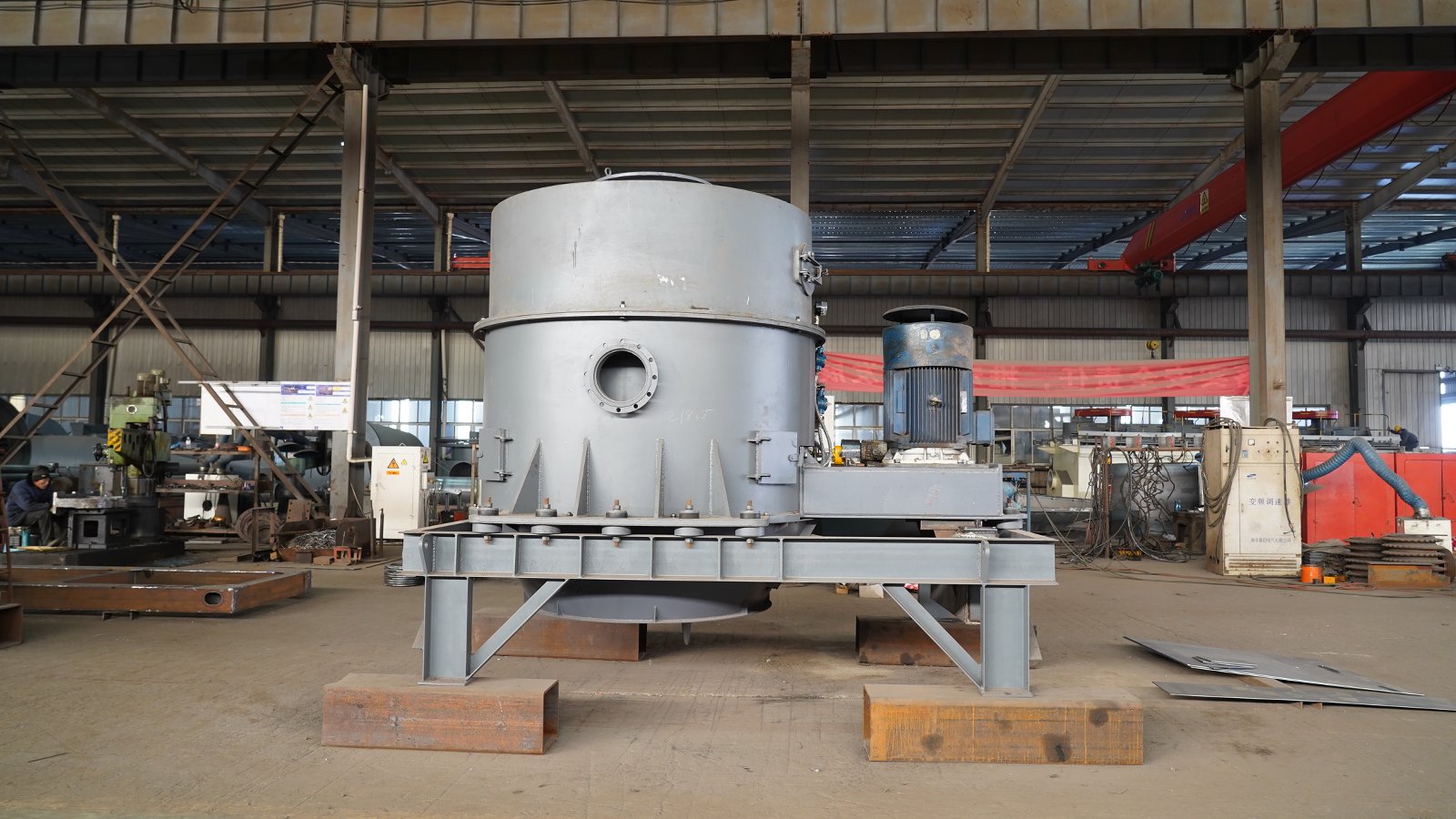
Several factors influence the effectiveness of heavy-medium separation:
Particle Size and Distribution: Overly fine or coarse particles can compromise separation efficiency. Proper crushing and screening are essential.
Medium Density and Stability: Fluctuations in medium density or contamination can reduce separation precision.
Equipment Wear and Maintenance: Abrasion and erosion affect cyclone or bath performance. Regular inspection and replacement of liners are critical.
Feed Consistency: Variability in coal type, moisture content, or gangue composition can impact output quality.
Optimizing these factors requires a combination of advanced instrumentation, skilled operation, and proactive maintenance planning.
Selecting reliable suppliers is vital for securing high-quality equipment and sustainable operations. Key considerations include:
Proven track record in heavy-medium separation systems.
Availability of spare parts and after-sales service.
Compliance with international engineering standards.
Flexibility in customizing equipment to specific coal types and throughput requirements.
Collaboration with established suppliers ensures minimized downtime, better lifecycle management, and enhanced process optimization.
Coal processing plants often encounter issues such as medium contamination, excessive tailings, water consumption, and equipment wear. Operators must also manage environmental discharge requirements and adhere to safety regulations, particularly when handling high-density media. Addressing these challenges involves integrating process automation, recycling circuits, and predictive maintenance strategies.
Heavy-medium coal washing systems are widely employed in thermal and metallurgical coal plants. For instance, a large-scale plant in Central Europe implemented a heavy-medium cyclone system capable of processing 3,000 tons per day, achieving a 25% ash reduction while maintaining 90% recovery. Other applications include high-grade coking coal preparation for steelmaking and blended thermal coal production for international export markets. Each application benefits from customized equipment layouts and precise process control to meet specific coal specifications.
The industry is moving toward more energy-efficient, automated, and environmentally friendly solutions. Digital monitoring, process simulation, and AI-assisted control systems are increasingly integrated to optimize medium density, reduce water usage, and predict maintenance needs. Furthermore, emerging technologies in dry separation and fine coal recovery are complementing traditional heavy-medium processes, expanding operational flexibility and minimizing environmental footprint.
Q1: Can heavy-medium washing handle very fine coal particles?
A1: Yes, but the efficiency decreases with ultra-fine particles. Pre-screening and optimized cyclone design are recommended.
Q2: How is the medium recycled?
A2: After separation, medium recovery circuits filter, clean, and adjust the medium density for reuse, minimizing losses and operational costs.
Q3: What is the typical lifespan of critical wear components?
A3: With high-quality materials and routine maintenance, liners and wear parts can last several years, depending on feed characteristics.
Conclusion
Heavy-medium coal washing complete equipment remains central to modern coal processing, providing efficient separation, improved coal quality, and operational sustainability. By understanding core technologies, optimizing operational parameters, and selecting reliable suppliers, coal processing plants can achieve superior performance while complying with environmental and market demands. The integration of automation and process monitoring is set to define the next generation of coal preparation, ensuring efficiency, safety, and adaptability for decades to come.
Tel : +86-315-5282855
E-mail : jinzexuanmeijixie@gmail.com
Address : 1.6 km south of Xinjichang Road,
Tangshan City, Hebei Province, China

Copyright © 2017.Company name All rights reserved.More Templates


Энэ вэб сайт нь таныг манай вэбсайтаас хамгийн сайн туршлагыг олж авахын тулд күүки ашигладаг.

 English
 Español
 Pусский
 Tiếng Việt



 Whatsapp
 Утас
Утас
Сэтгэгдэл
(0)